

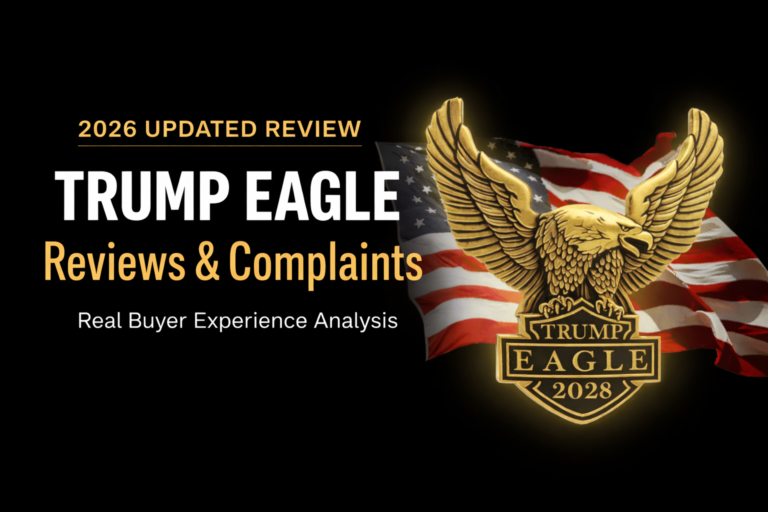
I still remember the first time I hesitated at checkout for a collectible badge. I felt a mix of excitement and worry that many buyers feel today. That tug led me to investigate real-world risks and rewards for this collectible.
I focus on the buyer experience in the United States, not politics. I test how the item ships, what you actually receive, and why reviews and complaints often disagree.
The community rate hovers around 3.8/5, and the badge itself can be real while being sold as non-official by third-party sellers. Most negative experiences trace back to listings and fulfillment, not the object.
In this piece I’ll check legitimacy, materials, pricing, refund reality, and who should skip buying. My aim is simple: help you avoid overpaying and spot scammy checkouts before you buy.
Key Takeaways
- I examine buyer risks, what arrives, and common disputes.
- The badge can be authentic but sold as non-official by third parties.
- Most complaints stem from sellers: shipping, finish, and hype claims.
- Expect practical checks on legitimacy, materials, and refunds.
- I’ll help you spot overpriced listings and scam signals.
What I Mean by “Trump Eagle” in 2026: Badge, Eagle 2028, and Lookalike Listings
Before you purchase, I want to clarify the names sellers use so your expectations match what arrives.
I group listings into three buckets. The first is the trump eagle badge sold as a named collectible. The second uses “trump eagle 2028” or similar campaign-style marks. The third is generic eagle badge listings that copy the same photos and copy.
Most marketplaces—Etsy, eBay, Amazon, and private Shopify shops—list these items. That means quality and return rules vary by seller, not by the item name.
Photos often repeat across storefronts. That reuse creates the false idea of a single official product when multiple manufacturers may exist.
When I buy, I screenshot the listing title, materials, weight, return policy, and seller info. Those shots help me open a claim if something is wrong.
Practical takeaway: what the item is called changes price, perceived authenticity, and the chance of hype language. Treat “campaign” mentions as claims until you see verifiable documentation.
My Quick Verdict on Value, Quality, and Who This Collectible Is Really For
I’ll give a short, no-nonsense verdict on whether this piece is worth your shelf space or your wallet.
Quick verdict: buy for sentiment, not for bullion. If you want a piece of memorabilia or a personal keepsake, the typical listing can feel worth the price. Most pieces use decorative gold plating, so the metal itself rarely justifies the cost.
If you expect an investment or real gold value, you’ll likely be disappointed. Mass-produced commemoratives rarely rise in market value unless they come with verified scarcity or official authentication.
When it feels worth it
- Buy if you value symbolism, display, or a desk conversation item.
- Buy if you’d keep it even when resale is near zero.
When it’s a poor fit
- Skip if you’re buying as a gold investment or flip—most are plated, not solid.
- Skip if your expectations include guaranteed resale profit without documentation.
| Decision factor | Buy | Don’t buy |
|---|---|---|
| Sentimental value | High | Low |
| Metal value (gold) | Low (plated) | High expectation |
| Resale/investment potential | Possible if authenticated | Unlikely if mass-produced |
| Quick quality checks | Weight, finish, clasp | Flimsy feel, rough edges |
Trump Eagle Reviews 2026: Legitimacy, Scam Concerns, and What I Verified
My first step is to verify what sellers actually prove, not what they promise. I separate real, shippable collectibles from marketing that claims official status without proof.
Why the item can be real but not official: many manufacturers make commemorative pieces. A product may arrive exactly as pictured yet still be unofficial campaign merchandise. That difference affects value and buyer expectations.
Scam risks I watch for: sellers who overstate gold content, claim limited runs with no paperwork, or use faux certification seals. Those are common tricks that mislead buyers and trigger disputes.
How I evaluate seller credibility and authenticity claims
- Check verified reviews and real customer photos.
- Confirm materials, weight, and a clear refund policy.
- Prefer established storefronts and a real support contact.
- Avoid odd checkout flows; use payment methods with dispute protection.
“Documentation beats patriotic copy—always ask for verifiable proof.”
| Check | Why it matters | Red flag |
|---|---|---|
| Reviews | Shows past delivery | All 5-star, no photos |
| Materials | Indicates real finish | Vague metal claims |
| Refunds | Protects buyers | No return policy |
Bottom line: I aim for clear authenticity, practical legitimacy, and a deliverable product. That keeps shopping smart and avoids common scam pitfalls.
Design and Symbolism: Eagle Imagery, “Trump 2028” Branding, and Finish Expectations
Good design tells you a lot before you even touch the pin. I look for standard templates: a gold-toned emblem, flag motifs, shield or medal styling, and either a pin-back or magnetic attachment.
Why symbolism matters: the eagle motif and patriotic icons resonate with collectors and gift buyers. That symbolism often drives emotional value, even when the item is unofficial.
What buyers praise in engraving
People notice crisp feather lines, clean shield edges, and readable text. Those relief details make an otherwise simple badge feel well made.
Gold-tone vs photo hype
Photos are often shot in bright light. Real-life gold can appear darker or flatter. I always check customer-uploaded photos for true color and surface texture.
- I describe common design features so you can spot copycats.
- I explain why the symbolism appeals beyond official claims.
- I connect finish quality to price: pay more and expect cleaner plating.
“A good-looking item can still disappoint if the listing oversells it.”
Materials and Build Quality: Metal Types, Plating Claims, and “Real Gold” Reality Check
The metal beneath the plating tells the real story of build quality and long-term wear. I inspect materials first because they drive feel, durability, and long-term value.
Zinc alloy versions
Zinc alloy is the most common core. It is lightweight and inexpensive, which shows in the weight and the price.
Because zinc is soft, plated finishes can wear faster. Expect a lower perceived quality on cheaper production runs.
Brass-plated versions
Brass-plated pieces sit in a mid-tier spot. They feel heavier in hand and resist dings better than zinc.
That extra heft usually signals better plating adhesion and longer-lasting surface quality.
“24K gold plated” — what plating thickness means
Real gold plating is mostly cosmetic. Typical thickness runs about 0.5–2.5 microns, so plating adds shine but not bullion value.
24K gold plated can be technically accurate while still being very thin. That means you pay for appearance, not metal bullion.
Weight and feel in-hand: my quick checks
- Check weight: heavier usually equals better base metal and plating adhesion.
- Look for uneven color or rub-prone edges that reveal the base metal.
- Inspect for sharp burrs or rough spots—those are signs of rushed production.
| Core metal | Typical feel | Durability |
|---|---|---|
| Zinc alloy | Light, budget | Lower |
| Brass-plated | Heavier, solid | Mid |
| Gold plated | Shiny surface | Appearance-focused |
“Plating changes look, not the intrinsic worth—ask about base metal and return policy.”
Bottom line: if a listing is vague about metal, assume higher risk and only buy with a clear refund path. That protects both the appearance and the long-term value of your collectibles and keeps expectations realistic for the item you receive.
Pricing, Bundles, and Official Pricing Bundle Messaging I See Most Often
Bundle promotions can look like savings — I map the real per-item price for you.
I commonly see offers like 1x $99.99, 3x $197.99, 5x ~$299.99, and 10x ~$474.50. Those tiers lower the per-item price as quantity rises.
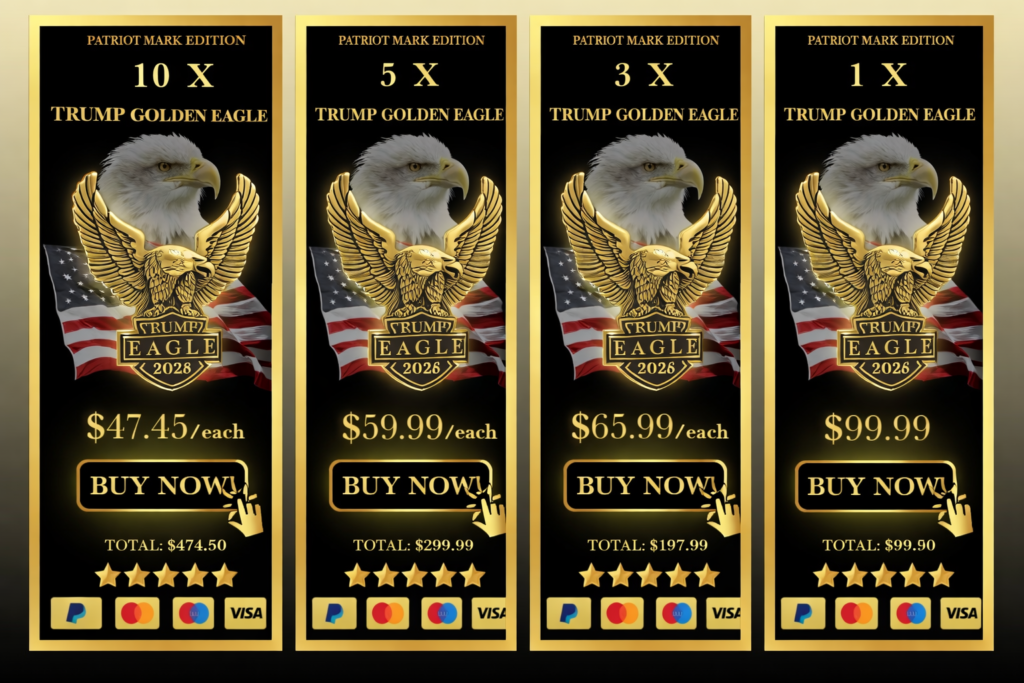
Per-item math: at those numbers you pay about $99.99 for one, ~$66 per item for three, ~$60 for five, and ~$47 for ten. That helps you judge whether bulk actually cuts your cost.
“Limited edition” and similar edition claims often add markup. I look for serial numbers, paperwork, or verifiable run counts before I accept scarcity as real.
Where CTAs and labels show up
- “View official pricing” and “Click view official” appear in ads, advertorials, and affiliate pages.
- Often the phrase is a sales label, not proof of campaign backing.
- Compare across marketplaces and recent sales to avoid paying inflated price for hype.
“Always verify materials, returns, and seller reputation before trusting bundle claims.”
Guarantee and Refund Policies: Money-Back Guarantee vs Seller-by-Seller Reality
Before I complete any purchase, I confirm exactly how refunds work. A bold “money-back guarantee” headline can hide limits in the fine print.
I commonly see return windows of 14–30 days for legitimate sellers. Promotional copy sometimes promises 60 days, but that often comes with conditions. Check for restocking fees, tags that must remain attached, or returns limited to unused items.
I save four things before I buy: a screenshot of the return policy, the product description, stated materials, and my order confirmation email. Those files speed up disputes and prove what the seller advertised.
Marketplace protections (Amazon, eBay, Etsy) usually give buyers clearer dispute paths than standalone shops. That doesn’t replace good documentation, but it helps if a seller refuses a valid refund.
When the package arrives, I film the unboxing and note defects immediately. If a listing is vague about return shipping or refund timing, treat that as a red flag.
“If the refund path isn’t obvious, I don’t purchase—no matter how good the badge looks.”
| Common return window | Typical condition | Red flag |
|---|---|---|
| 14–30 days | Open but often require original packaging | No written policy |
| 60 days (promo) | May require registration or added proof | Hidden restocking fee |
| No returns | Final sale | High risk for buyers |
Shipping, Delivery Times, and Packaging: What Buyers Commonly Report
Delivery speed and clarity about origins shape most buyer feedback I see. I track how long packages actually take and what the seller tells you up front.
Domestic vs international timelines
Domestic and international fulfillment
In the U.S., many orders arrive in about 5–10 days when a seller ships domestically. Items fulfilled overseas often take 10–21 days.
Always check the stated fulfillment origin. A “fast delivery” claim is meaningless without that context.
Tracking and packaging expectations
Credible sellers provide tracking that updates from dispatch to delivery. No tracking usually predicts delays and support headaches.
Neutral reviews often mention basic packaging even when the item itself is fine. Basic wrap does not always mean poor quality, but it matters for gifts and long-term storage.
- Order earlier than you think if this is a gift.
- Ask the seller for tracking and origin before purchase.
- Consider separate gift wrapping if presentation matters.
“Consistent sellers communicate delays; poor sellers go silent.”
| Scenario | Typical window | What to expect |
|---|---|---|
| Domestic ship | 5–10 days | Tracking, faster support |
| International ship | 10–21 days | Longer transit, customs risk |
| No tracking | Varies | Possible delays, dispute headaches |
My takeaway: set realistic expectations, verify tracking, and judge seller communication as a proxy for product and shipping quality.
Common Complaints I See (and What’s Actually Behind Them)
Most buyer frustration traces back to how a listing is presented, not the product. I summarize the top complaints so you can spot problems before you buy.
Shipping delays are frequent. They often come from international fulfillment, weak tracking, or sellers who understate lead times. A reputable seller shares tracking updates and explains delays quickly.
Inconsistent plating shows up when two identical listings use different factories or base metals. Photos, weight, and phrasing like “gold plated” vs. “solid” tell you which is which.
Misleading scarcity and gold claims
Countdown timers and “only X left” are marketing, not proof of a true limited edition. I check for serial numbers or paperwork before buying into edition claims.
Exaggerated gold language is common. I verify by comparing price to stated metal, and I avoid listings that lack clear material specs.
Red flags I avoid
- No refund path or hidden restocking fees.
- Fake certification language with zero verification.
- Crypto-only checkout that removes buyer protections — a classic scam signal.
“If the seller won’t show clear authenticity or a refund policy, I walk away.”
| Complaint | Typical cause | What I do |
|---|---|---|
| Shipping delay | Overseas fulfillment, no tracking | Ask origin and request tracking |
| Plating mismatch | Different factories, vague materials | Check weight and customer photos |
| Scarcity claim | Marketing timer, no paperwork | Look for serials or seller proof |
My rule: I buy from established platforms or sellers with clear policies, real reviews, and customer photos. That reduces the chance of a scam and protects my refund rights.
Collectible vs Investment: My Honest Take on Resale, Rarity, and Long-Term Value
A clear split exists between treating a piece as a collectible and treating it as an investment. I want you to buy with purpose, not hope.
What increases memorabilia value: verified authenticity, documented scarcity, ties to a historic moment, and mint condition. Those factors drive real long-term value.
What rarely helps are vague “limited” claims, generic certificates, or endless availability across sellers. Mass-produced runs usually hold novelty value, not growth.
I estimate production scale by counting sellers, identical photos, and steady stock levels. If many shops use the same images, rarity drops fast.
Set your expectations: treat sentimental worth first. Resale is a possible bonus, not a guaranteed payoff. If the cost only makes sense because you expect future profit, that is a warning.
For serious collectors: document provenance, keep original packaging, and get independent authentication when it matters. That preserves condition and supports future resale.
“Buy for what it means to you; chase profit only with proof and patience.”
| Factor | Boosts value | Does not boost value |
|---|---|---|
| Authentication | Independent certificate | Seller-made paper |
| Scarcity | Numbered runs, low production | Unlimited reprints |
| Condition | Mint, boxed | Worn, unverified |
Who I’d Recommend It For: Collectors, Gift Buyers, and Display-Item Shoppers
I recommend this badge when the goal is a small, meaningful keepsake rather than a financial play. If you want a decorative piece for a desk or shelf, this is where it makes the most sense.
Best fits: I suggest this for a collector who values symbolism, a buyer hunting for a patriotic gift, or anyone who wants a simple conversation starter.
Best use cases
- Desk display or office accent that starts conversations.
- A small keepsake to mark a memory or occasion.
- A patriotic gift for friends who enjoy memorabilia.
- A lightweight shelf piece that pairs with other collectibles.
Who should skip it
Don’t buy this if you want bullion or gold value. Avoid it if you expect solid metal or plan to flip for profit.
Also skip the item if urgency marketing makes you nervous. Many listings push limited runs without proof.
“Buy it because you like it, not because you think it will appreciate.”
| Buyer type | Why it fits | When to pass | Practical tip |
|---|---|---|---|
| Collector | Symbolic display value | Seeks bullion-grade pieces | Check customer photos |
| Gift buyer | Small, meaningful present | Needs heavy, precious-metal item | Order early, confirm returns |
| Display shopper | Good for desk/shelf | Wants large presence | Check dimensions before buying |
Quick buying tips: order early for a gift, confirm the return window, and look for real customer photos so the finish matches expectations. Cross-check claims that the item is sold only on an “official website”—those are often marketing, not exclusivity.
Conclusion
I’ll finish with a compact verdict and a two-minute checklist you can actually use.
Final verdict: the trump eagle collectible is usually a real, third‑party commemorative item, not an official or investment-grade piece. Buy it for meaning, not bullion or guaranteed resale.
Two decision filters matter most: personal value as memorabilia, and seller trustworthiness for a smooth purchase. Higher quality and higher price only make sense when materials, clear pricing, and a visible refund path are documented.
To avoid scam risks, I never use crypto-only checkout, I reject unverifiable certification claims, and I screenshot listings before I pay.
Two-minute checklist: verify materials, confirm shipping origin, read recent reviews, and save screenshots of the listing and return terms. Do that and you’ll shop with more confidence.