

Can a supplement sold with a long sales video actually deliver real gains, or is that pitch masking empty promises? I asked myself the same thing before I tried this product.
I tested this product for everyday energy and workout performance, and I’ll be clear about what I did and what I expected. This is a practical, first-person review, not medical advice or a miracle claim.
Public feedback trended negative, with many calling it snake oil and saying they saw no results. That made me focus on evidence, ingredients, and real-world outcomes.
I’ll walk through claims, how nitric oxide-style support is supposed to work, my routine, user feedback, side effects, pricing, guarantee, and alternatives. My goal is a friendly, honest take for U.S. shoppers comparing options for more reliable daily energy and gym performance.
Key Takeaways
- I tested the product for day-to-day energy and workout performance.
- Many public reports were negative, so I focused on evidence and transparency.
- This is a first-person, practical review—not medical advice.
- I summarize claims, ingredients, side effects, and alternatives.
- The aim is to help U.S. shoppers compare realistic value and results.
If you want to verify the current price, bundle options, and refund terms directly, here’s the official checkout page.
Check Today’s Price & Official Offer →Tip: screenshot the checkout page (price + terms) so you have it for refund eligibility later.
Why I Tested Nitric Boost for Energy, Stamina, and Performance
I decided to try a formula marketed for blood-flow support because I wanted clear, measurable gains in my workouts. My focus was specific: not vague wellness claims, but practical changes I could track.
What I hoped to improve
I wanted better endurance during longer training sets. I also hoped for fewer mid-day energy dips and improved circulation that reduced muscle tightness after sessions.
Who this is for in the United States
This piece is for adults comparing supplements online. If you sit through long sales pages and want a reality check, this is aimed at you.
- Real goals: steadier energy, longer workouts, faster recovery.
- Not for: anyone expecting instant stimulant effects or a substitute for medical care.
My test was practical: I evaluated whether the product fit my routine and helped my training over weeks, not whether it produced dramatic overnight changes.
What Nitric Boost Claims to Do for Blood Flow and Nitric Oxide Levels
The sales message is simple: support for nitric oxide levels is supposed to ease tension in blood vessels and help circulation. The claim links that chemical change to better oxygen delivery during exercise and more steady energy through the day.
The promised role of nitric oxide in vessels
The promised role of nitric oxide in blood vessels and circulation
Marketers describe nitric oxide as a signaling molecule that relaxes vessel walls. In plain terms, relaxed vessels can allow more blood flow to muscles and skin.
Expected benefits people are shown
Expected benefits: stamina, performance, and a noticeable boost
Claims include improved stamina, fuller workout pumps, and a felt “boost” in capacity. Reasonable results, if any, are usually subtle: slightly longer sets or steadier daytime energy rather than dramatic changes.
How quickly results are implied vs. realistic timeframes
How quickly results are implied to happen vs. what’s realistic over time
Ads often imply fast effects in days. Realistically, any small changes may take weeks. Red flags are promises of immediate, large shifts in performance or energy.
| Claim | How it’s described | Realistic expectation |
|---|---|---|
| Increase nitric oxide levels | Quick rise for better circulation | Possible small change over weeks in some users |
| Improve blood flow | More oxygen to muscles, better pumps | Subtle pump or endurance gains for some; not universal |
| Immediate “boost” | Feel more energy and capacity fast | Usually unrealistic; look for steady benefits over time |
Nitric Boost Review 2026: My Results and Honest Take
I tracked daily patterns for two weeks before I opened the bottle, so my findings have a clear baseline.
My baseline before starting: energy, workouts, and day-to-day function
My usual routine was three strength sessions per week and two shorter cardio sessions. I had steady mornings, a mid-day slump, and normal sleep. I noted how my body recovered and how long sets felt.
What I noticed (and didn’t) in the first weeks
In week one I logged morning energy and workout stamina. I felt no dramatic change in performance or alertness. Small differences can be real, but I didn’t see consistent shifts that rose above daily noise.
What changed after longer use and whether expectations matched reality
After four weeks a couple of sessions felt a touch easier, but that could be sleep or routine. Overall, my expectations of clear, repeatable effects were not met.
| Period | Tracked measures | Typical outcome |
|---|---|---|
| Baseline | Sleep, energy, sets per session | Mid-day dip; steady recovery |
| First 2 weeks | Morning energy, workout stamina | No marked change; placebo possible |
| 4+ weeks | Endurance, soreness, day-to-day function | Minor improvements on some days; inconsistent effects |
Practical takeaway: If you test this, measure sleep and diet first. Look for repeated signs before assuming effects. I would not reorder based on my results alone.
My experience was mixed, so if you’re still curious, the smartest move is checking the official offer and only ordering if the terms feel fair.
See the Official Deal (Decide After You Read Terms) →No pressure: compare the per-day cost and the return window before you commit.
What Real Users Say About Nitric Boost Results (2024-2026 Reviews)
Across hundreds of user comments I noticed a clear pattern of disappointment and repeated complaints.
Reports of no change were common. Many users said they felt no extra energy, no better stamina, and no pick-up in gym performance even after weeks or months.
“Snake oil at best… 38 person senior golf league… 35… Not ONE… positive results…”
This golf-league anecdote stands out because it describes group-level testing with uniform negative results. Other posts described slow answers from support or none at all.
Why people used words like “scam”
Buyers linked the bold claims to lived experience and found a gap. Some said the long sales video and pressure tactics felt misleading. One buyer reported promised “free literature” never arrived.
Value and guarantee concerns
Several users urged others to “save your money” and compared the formula to cheaper options sold in stores. Complaints also targeted the refund process and unclear guarantee terms.
| Complaint Type | Frequency | Typical Impact |
|---|---|---|
| No measurable results | High | Users report no energy or stamina gains |
| Marketing & sales tactics | Medium | Long videos; pressure to buy |
| Value vs. cost | Medium | Comparisons to cheaper alternatives |
| Support & guarantee | Low–Medium | Slow replies; missing literature; refund complaints |
Quick shopper checklist: verify label doses, read verified user posts, and confirm the guarantee details before you order. I found the user pattern credible enough to advise caution.
Ingredients and Formula Breakdown: What’s Inside Nitric Boost?
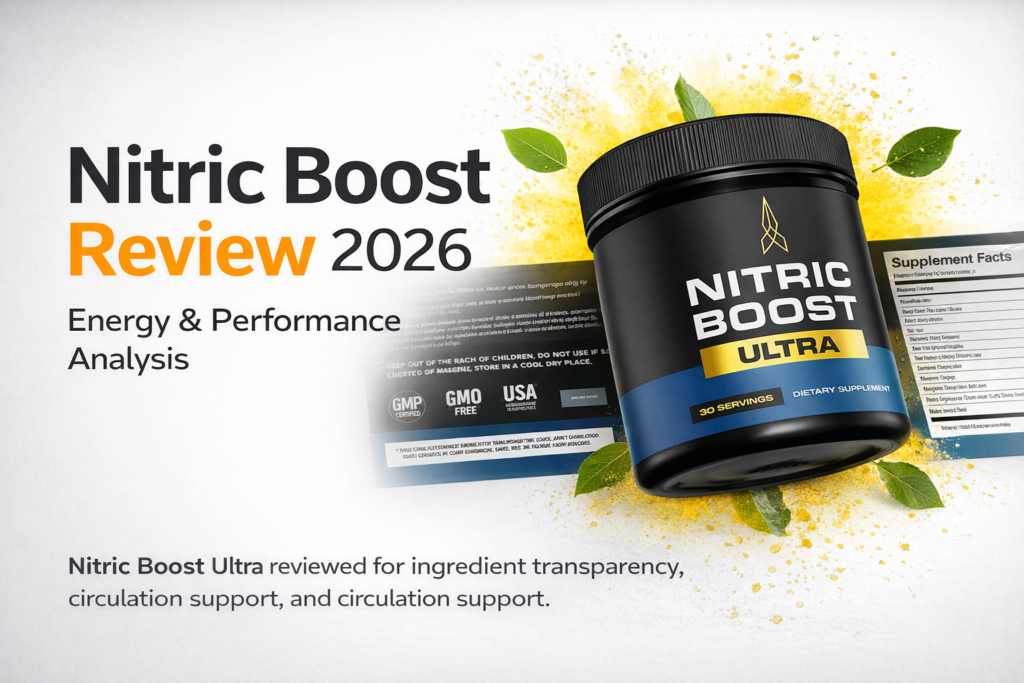
Before I trust a label, I read every line to see what the formula actually contains.
I’ll start by saying many blood-flow blends lean on key amino acids and supportive nutrients to help oxide signaling.
How these supplements commonly use amino acids and nutrients
Common builds include L-arginine or L-citrulline as primary amino sources. Smaller vitamins and minerals often round out the mix.
What I check on the bottle label
- Full ingredient list: each item named, not buried in a proprietary blend.
- Amounts per serving: clear milligrams for active ingredients.
- Directions & warnings: timing and stacking notes affect results.
Why transparency affects expected effects
If doses are undisclosed, it’s hard to predict whether the formula will deliver. Under-dosed amino or acid entries are usually why people feel nothing.
| Item | What to expect | Red flag |
|---|---|---|
| L-citrulline | 1,000–3,000 mg suggested for effect | Listed only inside a proprietary blend |
| L-arginine | 500–2,000 mg typical range | No dose or vague wording |
| Vitamins/minerals | Small supporting nutrients (B3, B6, magnesium) | Unlisted amounts or irrelevant fillers |
Practical tip: I photographed the label and saved order info in case I need support or a refund. Compare labels side-by-side to spot real value and avoid paying extra for the same ingredients elsewhere.
Want to compare what’s on the label with the seller’s claims? Start with the official ingredient/usage details.
View Ingredients + Directions (Official) →Quick check: look for clear doses per serving (avoid vague “proprietary blend” wording).
How Nitric Oxide Support Supplements Work in the Body
Let me map out how supporting nitric oxide works and why the effects are often subtle.
Nitric oxide is a simple signaling gas the body uses to tell smooth muscle in vessels to relax. That relaxation can improve local blood flow, which may help oxygen and nutrients reach working muscle faster.
What “nitric oxide levels” really mean
When people say nitric oxide levels, they mean how much of that signaling is available to affect vessel tone. Supplements aim to raise those oxide levels, but they rarely act like stimulants. Any change tends to be gradual and modest.
Why some users see little change
Results depend on baseline circulation, diet, sleep, stress, and overall health. If you already have good vessel function, added support may feel invisible.
Before adding a product, check your basics: hydrate, eat nitrate-rich foods, move regularly, and manage sleep. Those steps often give bigger, more reliable gains in circulation and performance than a lone supplement.
How I Took Nitric Boost Each Day (Timing, Routine, and Compliance)
Each morning I set a simple ritual so I could reliably measure any change. I took one serving at the same time most mornings, usually 30 minutes before my workout or mid-morning on rest days.
My protocol was simple: a glass of water, the supplement, and a light snack if I hadn’t eaten. That made it easy to replicate and to note any small differences in how my body felt during training.
My schedule and how I fit it into my day
I train in the early evening, so I sometimes shifted the dose to late afternoon to match workout timing. On strict workdays I kept the dose mid-morning to avoid disruptions.
Consistency vs. “quick boost” expectations
I learned fast that expecting an instant boost was unrealistic. I aimed to test for at least four weeks, because people online report anywhere from 10 days to 3 months without change.
- Compliance tips: set a phone reminder and pair the dose with a daily habit.
- Travel & weekends: I noted missed doses and how those gaps affected perceived results.
- Final note: think of nitric support as cumulative—routine matters more than single-use effects.
Energy and Performance: What I Looked For Beyond the Hype
My goal was to track clear, repeatable signals of energy and stamina, not vague impressions.
Workout endurance markers I tracked
I logged how long I could hold target intensity during sets, and whether my reps stayed consistent from start to finish.
I also timed rest needs and noted if I faded less toward the end of a session. Those are practical signs of improved endurance and performance.
Stamina signals and what counted as meaningful change
Meaningful change meant fewer forced breaks and the ability to keep planned weight or pace for two weeks in a row.
I wanted the change to be repeatable, not a one-off good night’s sleep. That helped separate real gains from random variance.
Daytime energy vs. an energy drink
One reviewer said after three months there were “no results” and they got “more of a kick out of a 200ml can of energy drink.”
That matches my comparison: caffeine delivers an obvious jolt in a single day, while this category aims for a gentler, non-stimulant boost.
I interpreted any perceived changes carefully, weighing better sleep or nutrition before crediting the supplement. In short, if you want a fast kick, an energy drink will likely feel stronger. If you prefer subtle, stimulant-free support, someone patient and methodical might still like this approach.
Blood Flow and Circulation: What I Expected vs. What I Observed
I approached circulation claims with skepticism and a clear list of signs I could actually measure. I expected modest changes: a fuller workout pump, a little warmth in hands and feet, or steadier stamina during long sets.
Signs people often associate with improved circulation
Common indicators to watch for
- Stronger workout pump and less early fatigue during sets.
- Feeling warmer or tingling in extremities after activity.
- More consistent energy across the day without big slumps.
Why perceived changes can be subtle (or absent)
In my experience many users expect dramatic shifts, but changes to circulation and vessel tone are often small. If your baseline blood flow is already good, a supplement may not create a clear, felt difference.
Some reviewers reported disappointment. One Jan 2 post described “no more energy and no relief for ED” after a group trial. That kind of report shows why circulation promises can fail to match expectations.
| What to track | How long to watch | When to stop |
|---|---|---|
| Workout pump, endurance, warmth in extremities | 4–8 weeks with consistent use | No repeatable change after 8 weeks |
| Daily energy patterns and recovery | 2–4 weeks for subtle trends | Worsening symptoms or no trend after 8 weeks |
Bottom line: oxide-related shifts can exist without a clear, subjective signal. Track simple measures, give it time, and stop if nothing repeats. That way you avoid paying for effects you can’t verify in your own body.
Side Effects and Safety: My Experience and What to Consider
I kept a daily log for side effects because “nothing happened” can mean both no benefits and no harm.
What I personally felt
Across my trial I noticed no clear adverse reactions. Some days I felt exactly the same as before. One forum post said,
“no side effects… nothing”
which matched my notes on most days.
When I’d talk to a doctor before trying this supplement
If you have blood pressure issues, heart conditions, or take prescription meds, I would speak with a doctor first. A quick consult can flag potential drug interactions and keep your overall health safe.
Potential interactions and who should be cautious
This category acts on circulation-related pathways and can affect how your cardiovascular system responds. Be careful if you use nitrates, blood thinners, or medications for erectile dysfunction. Mixing with strong stimulants or stacking multiple products raises risk for unwanted effects.
| Issue | Who should be cautious | What to check |
|---|---|---|
| Blood pressure shifts | People with hypertension or on BP meds | Measure resting BP; consult your doctor |
| Drug interactions | Those on nitrates or blood thinners | Review prescriptions with a clinician |
| Stacking risks | Users combining stimulants or multiple supplements | Avoid mixing without medical advice |
Quick starter checklist before you take one dose:
- Read label directions and serving size.
- Note any prescription meds you use and ask a doctor about interactions.
- Track any new symptoms for a few days and stop if you feel worse.
Pros of Nitric Boost Based on My Test and User Feedback
I found a few practical strengths worth noting despite limited performance changes. These are real, narrow positives that some buyers may value.
Concept and positioning I liked
The non-stimulant angle appealed to me. It targets circulation and performance capacity without relying on caffeine or heavy stimulants.
This makes it a reasonable choice for people who want gentle, routine-based support rather than a loud, fast jolt.
Practical positives: routine, taste, and tolerability
Daily use was easy. The serving fit into my morning habit and rarely felt like extra work.
Taste and experience: one user said it was “purple and tasted like KoolAid,” and that matched my notes on palatability. That kind of flavor helps with compliance.
“no side effects… nothing”
Tolerability is a clear pro. If you are sensitive to caffeine, the lack of stimulant effects and few reported side effects make this an option to try cautiously.
| Pro | Why it matters | Which buyer might value it |
|---|---|---|
| Non-stimulant approach | Provides circulation-focused support without caffeine | People sensitive to stimulants or taking caffeine-free routines |
| Easy to incorporate | Simple daily ritual improves adherence | Busy adults who want low-effort supplements |
| Palatable flavor | Taste helps users stick with daily use | Those who stop supplements due to bad taste |
| Generally well tolerated | Few side effects reported in tests and posts | Users cautious about mixing meds or stimulants |
Cons of Nitric Boost Highlighted by Reviews and My Observations
Many buyer comments echoed one blunt complaint: the product did nothing for daily energy or gym performance for a large share of testers.
I saw reports of no change after 10 days, 45 days, and even three months. In my own trial I noted only sporadic, small differences that never repeated reliably. That pattern lines up with the most common user message: expectations often went unmet.
Marketing and trust issues
The long sales video and pressure tactics were a recurring complaint. Phrases like “supplies are limited” and heavy upsell language made many buyers suspicious before they even tried the formula.
“Do not fall for the long commercial—felt like pressure to buy.”
Missing promised materials and credibility
Several people said the promised free literature never arrived. That small failure compounds distrust when product results are weak.
Value vs. ingredients and price
Many comments noted you can buy comparable ingredients for far less at a health store. If the product can’t prove superior dosing, quality, or service, the price is hard to justify.
| Con | Why it matters | What to check |
|---|---|---|
| No clear effect on energy or performance | Sets buyer expectations too high | Track your own measures for 4–8 weeks |
| Hard-sell marketing | Reduces trust | Read independent reviews before checkout |
| Poor value vs. store ingredients | May cost more for same actives | Compare label doses and prices |
My takeaway: if you’re sensitive to aggressive funnels or want clear proof of dose and value, be cautious. This review suggests many buyers felt the product failed to meet reasonable expectations, and that should factor into your choice.
Pricing, Bottles, Shipping, and What I Noticed About the Buying Experience
Before I clicked buy I always break down the real cost per serving instead of trusting headline discounts. The sales page leaned on multi-bottle bundles that touted steep savings. Those offers often make a large upfront order feel like the sensible choice.
Multi-bottle bundles and what to watch for before you check out
I looked for the total cost per bottle and the per-day price. A big “save 60%” banner can hide that each bottle still costs more than comparable store brands.
- Check unit price: divide total by number of bottles and by servings per bottle.
- Watch forced defaults: some pages pre-select larger bundles at checkout.
- Save screenshots: capture the checkout page, price breakdown, and any promo codes.
Shipping expectations for U.S. buyers
Shipping can add days and dollars. I verified estimated delivery windows, tracking availability, and any handling fees before finalizing payment.
| What to verify | Why it matters | Typical impact |
|---|---|---|
| Estimated delivery window | Affects when you receive product and refund windows | Delays can push return deadlines |
| Tracking & confirmation | Proof of shipment if disputes arise | Faster resolution for missing orders |
| Handling or expedited fees | Can raise the real per-bottle cost | Changes value comparison vs. stores |
Practical tip: save order emails, checkout screenshots, and shipping notices. Those items matter when bundle size affects returns and when you need to claim a refund.
Before choosing a bundle, check the real cost per bottle and confirm what’s pre-selected at checkout.
Compare Bundles & Total Cost (Official) →Pro tip: divide total price by servings to get a true “per-day” cost.
Refund Policy and Guarantee: What I’d Verify Before Ordering
I approached the sales guarantee like a contract—because that’s effectively what it is if something goes wrong. Before I click buy, I read the policy so I know what the company truly promises and what it actually requires.
How I interpret the guarantee claims vs. user frustration
Marketing often uses the word guarantee loosely. It can sound like free returns, but the fine print may demand unopened bottles, proof of purchase, or returns within a narrow time window.
That mismatch explains why some buyers joked the “only guarantee” was an emptied wallet in a Nov 3 post. Complaints about missing promised literature also feed distrust.
Steps I’d take to document purchases and protect my refund eligibility
I treat refunds as a process to manage, not hope for. I document everything and follow the seller’s steps exactly.
- Save order confirmation and any promo screenshots right away.
- Keep all shipping emails and tracking numbers until the issue resolves.
- Photograph the bottle, label, and seal when it arrives.
- Note dates so you can prove you acted inside the stated return time frame.
| What to verify | Why it matters | Action |
|---|---|---|
| Guarantee scope | Shows if returns are partial, conditional, or full | Read the fine-print details before checkout |
| Refund steps | Some require photos, others need original packaging | Follow the vendor’s process exactly |
| Shipping delays | Delays can shorten return windows | Confirm delivery date and ask for written extensions if needed |
Practical note: if you plan a multi-bottle purchase, these steps reduce risk. Clear records make refunds easier and protect you if the guarantee proves weaker than the ad copy.
If you buy anything online like this, read the refund steps first—then decide with your eyes open.
Review Refund Terms on the Official Page →Save your receipt + delivery date—those are usually what determine return eligibility.
Alternatives I’d Consider for Supporting Healthy Circulation and Energy
My first stop was what I could eat and do each day to help circulation and steady energy.
Food-first options users mentioned
Try simple foods before a new supplement. One user suggested 15 almonds plus 1 oz roasted black chickpeas daily and stressed, “MUST KEEP YOUR BLOODSUGER CONTROLLED.”
Stable blood sugar helps perceived energy and can affect circulation. Small, regular protein and fiber snacks blunt spikes and sustain day-long stamina.
Other supplement approaches I’d compare
I’d look for transparent labels that show exact ingredients and doses. Compare cost per day and whether the formula lists effective amounts of amino acids or supporting nutrients.
Pay attention to product value: some buyers said you can buy the same ingredients far cheaper at a health store.
Lifestyle levers that matter
Move daily, hydrate, sleep well, and manage stress. These levers boost nitric oxide production and improve blood flow and overall function more reliably than many single products.
Test any change for 2–4 weeks, track simple metrics, and only keep what gives repeatable results.
Conclusion
I weighed my hands-on notes, public user reports, and label transparency to reach a practical verdict on nitric boost.
The formula aims to raise nitric oxide and help blood flow, but that biochemical shift often does not translate into obvious day-to-day energy for many people.
Common complaints were clear: many users saw no measurable results, the long marketing felt misleading, and value vs. cheaper store options was poor.
Who might try it: adults wanting non-stimulant circulation support and a gentle daily routine. Who should skip it: shoppers who need fast, obvious energy or who dislike aggressive funnels.
Practical next steps: verify label doses, confirm shipping windows, document purchase for guarantee steps, and test consistently for at least four weeks day by day.
If you have medical concerns about your blood or circulation, talk to a clinician before relying on any supplement for lasting change.
If you’ve read this far, you’re doing it right—here’s the cleanest next step if you want to double-check everything yourself.
Go to the Official Site (Price • Ingredients • Refund Info) →Reminder: If the terms or checkout feel unclear, skip it—clarity is part of quality.